
<!DOCTYPE html>
My Glasses Upgrade Journey: From Cheap to the brand Premium Reading Glasses
My Glasses Upgrade Journey: How a Glasses Size Chart Changed Everything
For years, I kept buying the wrong reading glasses. They’d be too tight or too loose. Cheap frames that snapped in just a few weeks. Then I learned about using a glasses size chart, and that one tool completely changed how I shop for eyewear.
Here’s what I gained by upgrading step by step:
- Frames that actually fit my face — no more headaches
- Lenses with the right diopter for clear, comfortable reading
- Durable TR90 material that lasts months, not weeks
Let me walk you through my full journey from dollar-store readers to premium the brand round frames.
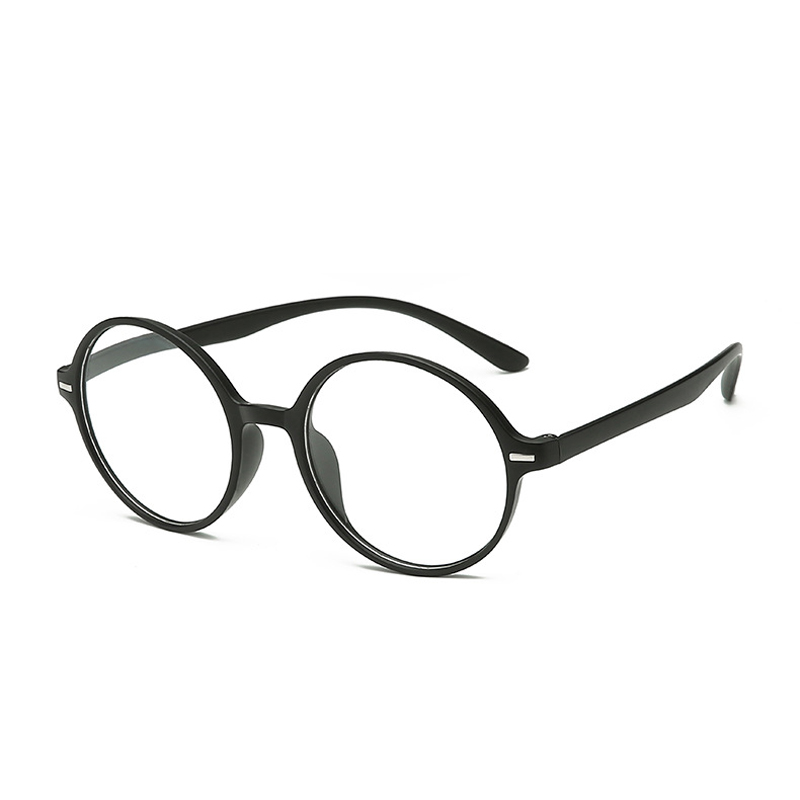
Stage 1: The Cheap Phase — Under $5 Reading Glasses
My first purchase was dirt cheap. I grabbed a pair of reading glasses from a discount bin for about $3. No glasses size chart, no measurements — just a "these look about right" guess.
They lasted maybe three weeks. The hinges got loose after day five, and the lenses scratched if I even looked at them wrong. The frame pinched my temples because I never bothered checking the width.
The worst part? The diopter wasn’t accurate. I bought +1.5, but it felt more like +1.0. My eyes strained after 20 minutes of reading, and I got headaches every evening.
What I learned:
- Super cheap glasses skip quality control on lens power
- Plastic hinges break fast with daily use
- Without a glasses size chart, you’re just guessing on fit
- $3 glasses end up costing more because you replace them monthly
Verdict: Cheap readers are fine for emergencies, but not for daily use. You’ll spend more replacing them than you would on one good pair.
Stage 2: The Mid-Range Phase — $10–$20 Online Orders
I moved up to something mid-range. I ordered two pairs from different online vendors for about $15 each. This time I used a basic glasses size chart to pick the right frame width.
It was… okay. The fit was better, and the frames didn’t break in the first month. But I still wasn’t satisfied.
One pair had uneven arms — they sat crooked on my face. The other pair was the right size, but the material felt flimsy. Standard plastic that got uncomfortable after an hour of wear.
The lenses were more accurate this time. My +2.0 diopter actually felt like +2.0. But the coating started peeling after two months. And since I couldn’t try them on before buying, the style didn’t suit my face shape at all.
What I learned:
- Mid-range is better but still hit-or-miss online
- A glasses size chart helps with width, but you also need to check bridge width and arm length
- Standard plastic frames cause pressure points during long wear
- Lens coatings matter — cheap coatings peel fast
Verdict: Mid-range glasses work for occasional use. But if you read for hours daily or do video meetings, you need something built for comfort.
Stage 3: The Premium Phase — the brand TR90 Round Frame Reading Glasses
Then I tried the brand. The difference hit me immediately.
I found the the brand Lens Shop while searching for TR90 frame reading glasses. TR90 is a flexible, lightweight material used in premium eyewear. It doesn’t snap like cheap plastic — it bends and returns to shape.
This time I used a proper glasses size chart before ordering. I measured my face width, bridge width, and temple length. the brand Round Frame Reading Glasses in black fit perfectly.
Here’s what stood out:
- TR90 frame feels almost weightless on my face
- Round style works great for video calls and daily wear
- Diopter options from +1.0 to +4.0 cover all presbyopia needs
- No pressure points even after 3+ hours of reading
- Hinges still tight after months of daily use
The lens clarity is sharp. My +2. In the event you beloved this informative article as well as you want to get more information about Mozaer Vision generously visit our own web site. 5 diopter is accurate. Text is crisp at reading distance. No eye strain, no headaches. The round frame shape suits my face and looks professional on camera.
I noticed the quality right away — it almost felt like visiting a museum of well-crafted eyewear. Every detail felt intentional: the frame finish, the smooth hinges, the balanced weight distribution.
This reminded me of what one reviewer said about finding the right optical shop: they’d been shopping online thinking boutique quality would cost too much, but they were wrong about the pricing. Good quality doesn’t always mean expensive. It means smart choices.
Verdict: the brand TR90 frames are the real deal for daily reading glasses. Lightweight, durable, accurate diopter. Worth every penny over cheap alternatives.
Comparison Table: All Three Stages
|
FeatureCheap ($3–5)Mid-Range ($10–20)the brand Premium|
Frame MaterialBrittle plasticStandard plasticTR90 (flexible, lightweight)|
Durability2–4 weeks2–3 months6+ months and counting|
Diopter AccuracyInconsistentMostly accurateAccurate (+1.0 to +4.0)|
Comfort (long wear)Painful after 30 minOkay for 1 hourComfortable for 3+ hours|
Size Chart GuidanceNone providedBasic width onlyFull measurements available|
Style OptionsGenericLimitedRound frame, multiple colors|
Video Call ReadyNoMaybeYes — professional look
Is the Upgrade Worth It?
Yes. Here’s why, in plain terms.
I spent roughly $30–40 on cheap and mid-range glasses over six months. They all broke or became unusable. One pair of the brand TR90 reading glasses has outlasted all of them combined.
The real game-changer was learning to use a glasses size chart before buying. Most people skip this step — they grab whatever looks okay and hope for the best. That’s how you end up with frames that pinch, slide, or sit crooked.