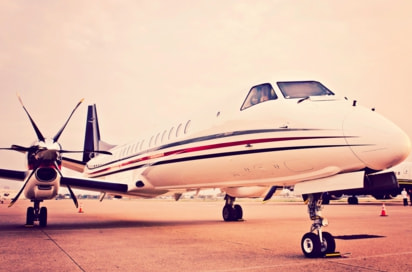
Private flying, often synonymous with normal aviation, has change into an increasingly standard mode of transportation for people and businesses alike. This type of flying encompasses a wide range of aircraft operations, from small single-engine planes to luxurious jets. If you enjoyed this article and you would certainly like to get even more facts concerning website kindly visit our own web site. In this text, we will discover the various points of private flying, including its benefits, the types of aircraft available, the regulations governing private aviation, and suggestions for aspiring private pilots.
The benefits of Private Flying
Private flying presents numerous advantages over business air journey. One of the most important advantages is flexibility. Private pilots can select their departure occasions, routes, and locations, allowing them to avoid the inflexible schedules and lengthy safety traces related to commercial airlines. This flexibility is particularly beneficial for business travelers who need to maximise their time and effectivity.

Another benefit is the ability to access smaller airports that may not be served by commercial airlines. This opens up a wider range of locations and might significantly cut back travel time. For example, a private flight can take you directly to a regional airport close to your last destination, eliminating the necessity for lengthy layovers and floor transportation.
Privateness is another key advantage of private flying. Whether for enterprise or leisure, flying privately permits passengers to enjoy their journey with out the distractions and interruptions often encountered in business flights. This setting is conducive to confidential discussions, relaxation, or just having fun with the corporate of friends and family.
Sorts of Aircraft
Private flying encompasses a various array of aircraft, each designed for various purposes and preferences. Listed below are a few of the most typical forms of private aircraft:
- Single-Engine Planes: These are essentially the most accessible and reasonably priced choice for private flying. Popular models embody the Cessna 172 and Piper Cherokee. They are perfect for coaching new pilots and for short flights.
- Multi-Engine Planes: These aircraft provide increased pace, range, and carrying capacity. They are often used for business journey and may accommodate extra passengers and luggage. Examples include the Beechcraft Baron and Piper Seneca.
- Enterprise Jets: These are the epitome of luxury in private flying. Enterprise jets, such as the Gulfstream G650 and Bombardier Global 7500, offer excessive-pace journey over long distances with amenities that rival those of 5-star motels. They are designed for company executives who require comfort and efficiency.
- Helicopters: For short-distance journey, helicopters are a superb selection. They will access remote locations, making them perfect for business executives visiting construction websites or for leisure travelers heading to secluded vacation spots.
- Mild Sport Aircraft (LSA): These are a newer class of aircraft designed for recreational flying. They are sometimes simpler to fly and require less training, making them appealing to new pilots.
Laws Governing Private Aviation
Private flying is regulated by aviation authorities to make sure safety in the skies. In the United States, the Federal Aviation Administration (FAA) oversees private aviation operations. Key rules include:
- Pilot Certification: To fly privately, pilots must receive at the least a Private Pilot Certificate, which requires passing written and sensible exams. Extra superior certifications, equivalent to Instrument Ranking and Commercial Pilot License, can be found for those looking to broaden their flying capabilities.
- Aircraft Upkeep: Private aircraft should bear regular inspections and upkeep to stay airworthy. The FAA mandates specific maintenance schedules based on the kind of aircraft and its utilization.
- Flight Guidelines: Private pilots must adhere to visible flight guidelines (VFR) or instrument flight guidelines (IFR), relying on weather conditions and airspace requirements. Understanding these guidelines is essential for safe flying.
Turning into a Private Pilot
For those fascinated with pursuing a career or pastime in private flying, the journey begins with flight training. Here are the steps to turning into a private pilot:
- Analysis Flight Schools: Search for accredited flight colleges in your area. Consider components similar to location, price, instructor expertise, and aircraft availability.
- Medical Examination: Receive a medical certificate from an FAA-authorized aviation medical examiner. This ensures that you just meet the health necessities obligatory for flying.
- Floor Faculty: Complete floor faculty training, the place you will find out about aviation regulations, navigation, meteorology, and aircraft systems. This information is crucial for secure flying.
- Flight Coaching: Enroll in flight training, where you'll log flight hours with a certified instructor. This hands-on expertise is important for developing your flying abilities.
- Move the Exam: After completing the required flight hours and coaching, you might want to move a written exam and a sensible flight take a look at to acquire your Private Pilot Certificate.
The way forward for Private Flying
The landscape of private flying is evolving rapidly, driven by advancements in technology and altering consumer demands. Electric aircraft and drones are emerging as potential game-changers within the business, providing extra environmentally pleasant choices for private transportation. Moreover, the rise of air taxis and on-demand flight services may reshape how people and companies method private flying.
Because the aviation industry continues to innovate, private flying will likely grow to be more accessible and environment friendly. Whether for enterprise or leisure, the allure of private flying stays strong, providing a unique mix of comfort, consolation, and journey.
Conclusion
Private flying is an thrilling and dynamic discipline that gives quite a few benefits to those who select to take to the skies. With quite a lot of aircraft options, the flexibleness to travel in your schedule, and the potential for privateness, it is not any wonder that private aviation continues to develop in recognition. For aspiring pilots, the journey to obtaining a Private Pilot Certificate might be both challenging and rewarding, opening the door to a world of alternatives in the skies. Whether or not you are a seasoned aviator or a curious beginner, the world of private flying is waiting for you to discover.