Introduction
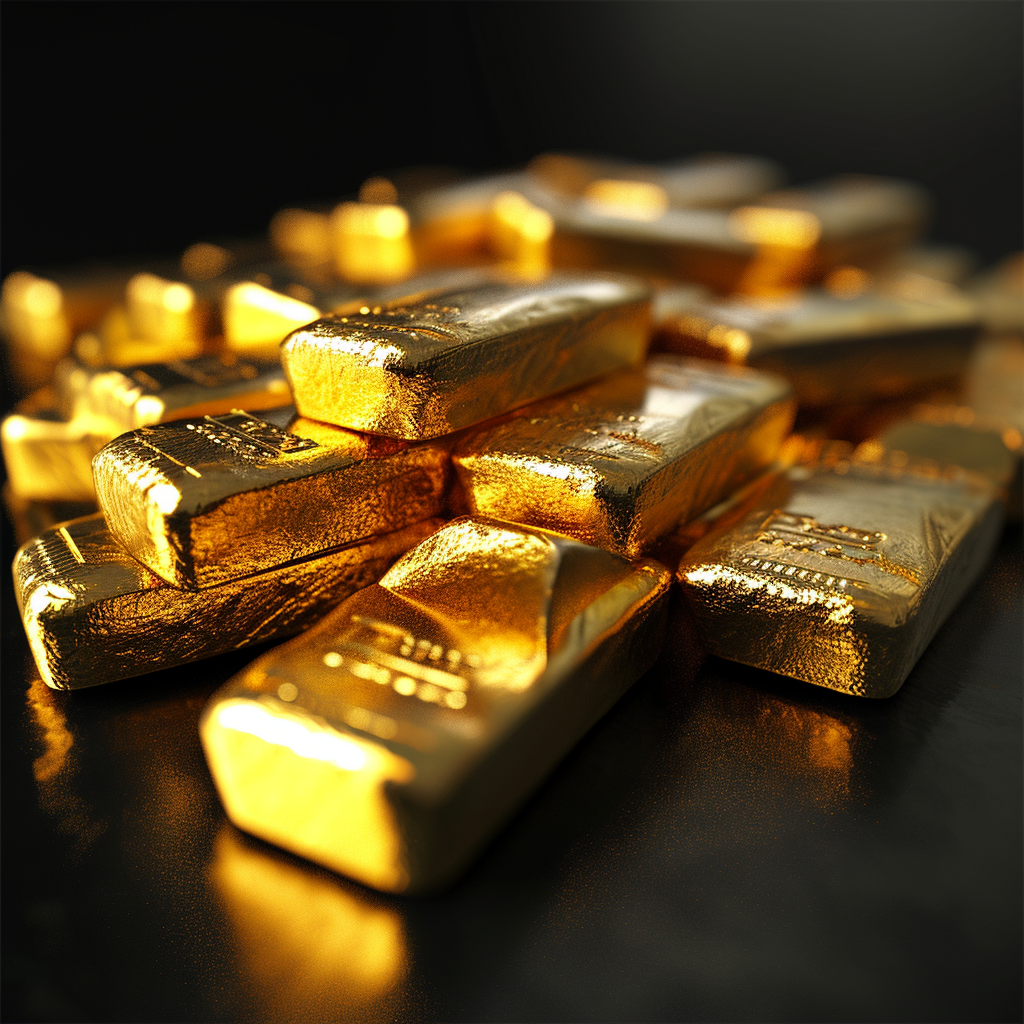
Precious metals Particular person Retirement Accounts (IRAs) have garnered significant consideration in recent times as investors search different belongings to diversify their retirement portfolios. These specialized accounts allow individuals to put money into bodily valuable metals, comparable to gold, silver, platinum, and palladium, while having fun with the tax advantages related to conventional retirement accounts. This report delves into the intricacies of precious metals IRA accounts, their advantages, regulations, and the way they are often an integral a part of a robust retirement technique.
What is a Precious Metals IRA?
A Precious Metals IRA is a sort of self-directed IRA that permits the inclusion of bodily precious metals as a part of the funding portfolio. Not like typical IRAs, which typically hold stocks, bonds, or mutual funds, a precious metals IRA allows traders to personal tangible belongings. This will present a hedge towards inflation and market volatility, as valuable metals usually retain their worth over time.
Forms of Treasured Metals Allowed
The inner Income Service (IRS) has particular tips relating to which precious metals could be included in an IRA. The permitted metals embrace:
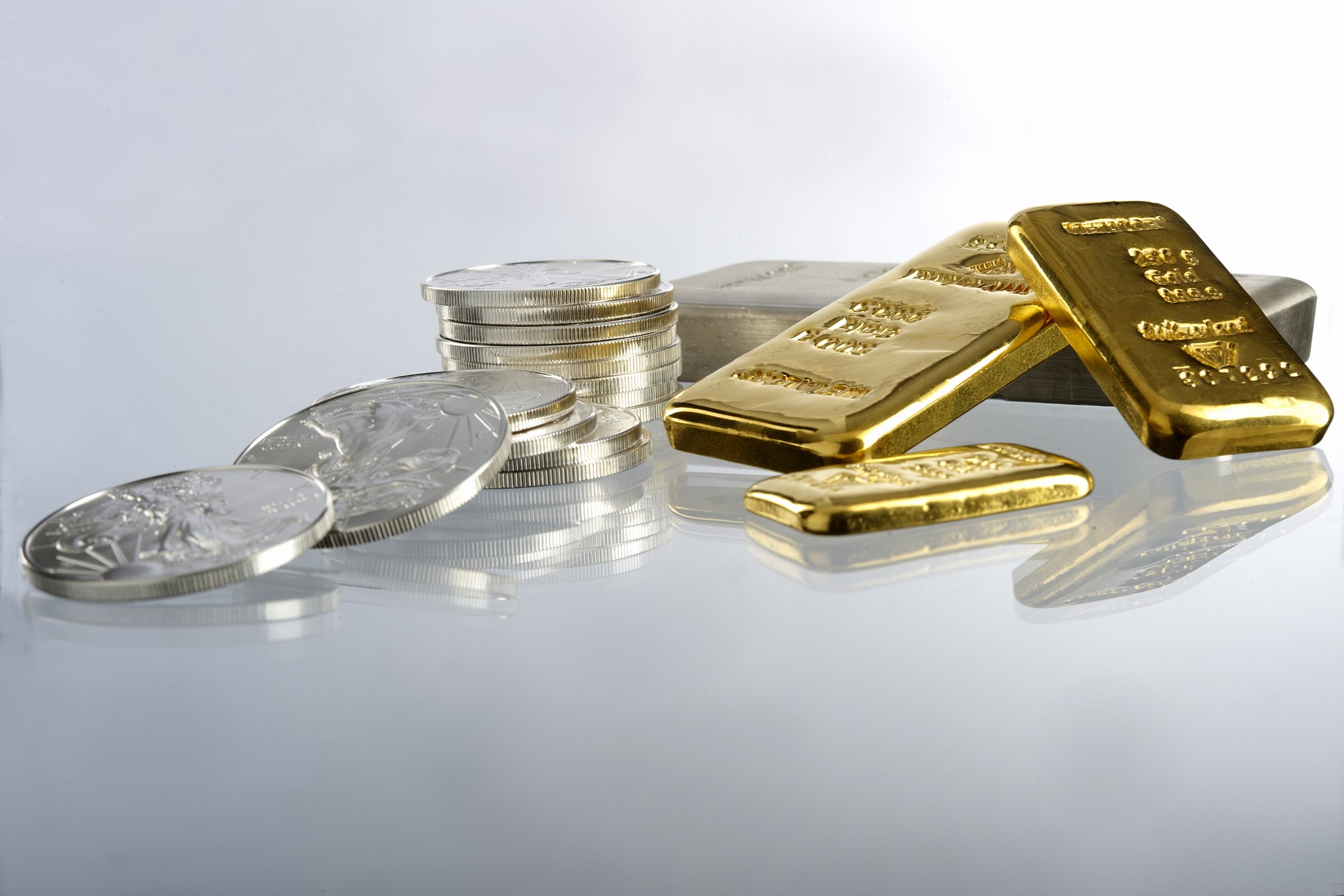
- Gold: Must be at the least 99.5% pure (e.g., American Gold Eagle, Canadian Gold Maple Leaf).
- Silver: Should be a minimum of 99.9% pure (e.g., American Silver Eagle, Canadian Silver Maple Leaf).
- Platinum: Should be at the least 99.95% pure (e.g., American Platinum Eagle).
- Palladium: Should be at the very least 99.95% pure (e.g., Canadian Palladium Maple Leaf).
Buyers must be sure that the metals they purchase meet these purity standards to qualify for tax-deferred standing.
Advantages of Precious Metals IRA Accounts
- Diversification: Valuable metals can provide a hedge towards inflation and economic downturns. By diversifying a retirement portfolio with bodily property, traders can mitigate dangers associated with traditional investments.
- Inflation Hedge: Historically, valuable metals have maintained their value during inflationary intervals. As the cost of living rises, the value of valuable metals usually increases, providing a safeguard for retirement savings.
- Tax Advantages: Like conventional IRAs, contributions to a precious metals IRA may be tax-deductible, and the account grows tax-deferred till withdrawals are made. This can lead to important tax financial savings over the long run.
- Tangible Asset: Unlike stocks or bonds, precious metals are tangible assets that traders can physically hold. This can provide a way of security, especially during instances of economic uncertainty.
- Wealth Preservation: Valuable metals have been used for centuries as a retailer of value. Investing in these metals will help preserve wealth for future generations.
Setting up a Precious Metals IRA
To ascertain a precious metals IRA, investors should comply with several steps:
- Choose a Custodian: The IRS requires that every one IRAs be held by a professional custodian. Buyers should choose a custodian that makes a speciality of valuable metals IRAs and is authorised by the IRS.
- Fund the Account: Traders can fund their IRA by way of numerous methods, resembling transferring funds from an existing retirement account or making direct contributions (topic to annual contribution limits).
- Select Treasured Metals: As soon as the account is funded, buyers can choose which valuable metals to buy. It is essential to work with a good dealer who can provide IRS-permitted merchandise.
- Storage Necessities: The IRS mandates that bodily valuable metals be stored in a safe, IRS-approved depository. Investors can not take possession of the metals until they attain retirement age, making certain compliance with IRS rules.
Laws and Compliance
Traders should adhere to strict IRS laws when coping with precious metals IRAs. Key compliance points include:
- Storage: Valuable metals must be saved in a 3rd-party depository. Investors can't store the metals at residence or in a private protected.
- Reporting Requirements: Investors should report any contributions, distributions, and transactions related to their precious metals IRA on their tax returns.
- Prohibited Transactions: Sure transactions, reminiscent of buying metals from a disqualified particular person (e.g., a household member) or using IRA funds for private benefit, are prohibited and can result in penalties.
Dangers and Considerations
Whereas treasured metals IRAs supply several advantages, buyers should also remember of the potential risks:
- Market Volatility: The costs of precious metals can be risky, influenced by numerous factors together with financial situations, geopolitical events, and modifications in forex values.
- Storage Fees: Traders might incur storage charges for conserving their metals in a safe depository, which might affect total returns.
- Liquidity: Promoting bodily valuable metals may take time and will not always yield the expected market price, especially throughout occasions of excessive demand.
- Limited Growth Potential: Not like stocks or actual estate, valuable metals don't generate income or dividends, which can limit long-term development potential.
Conclusion
Precious metals IRA accounts is usually a invaluable addition to a diversified retirement portfolio, offering benefits similar to inflation protection, wealth preservation, and tax advantages. Nonetheless, investors should rigorously consider the related risks and adjust to IRS laws. By understanding the intricacies of valuable metals IRAs, individuals can make knowledgeable selections that align with their financial goals and retirement methods. As with any investment, it's advisable to seek the advice of with financial advisors or tax professionals earlier than proceeding with a precious metals IRA to ensure it suits one's total retirement plan.