In recent years, the financial landscape has seen a significant shift as investors seek to diversify their portfolios and safeguard their wealth against economic uncertainties. One popular method to achieve this is through a Precious Metals Individual Retirement Account (IRA) rollover. This article delves into the intricacies of precious metals IRA rollovers, exploring their benefits, processes, and considerations for investors looking to enhance their retirement savings.
Understanding Precious Metals IRAs
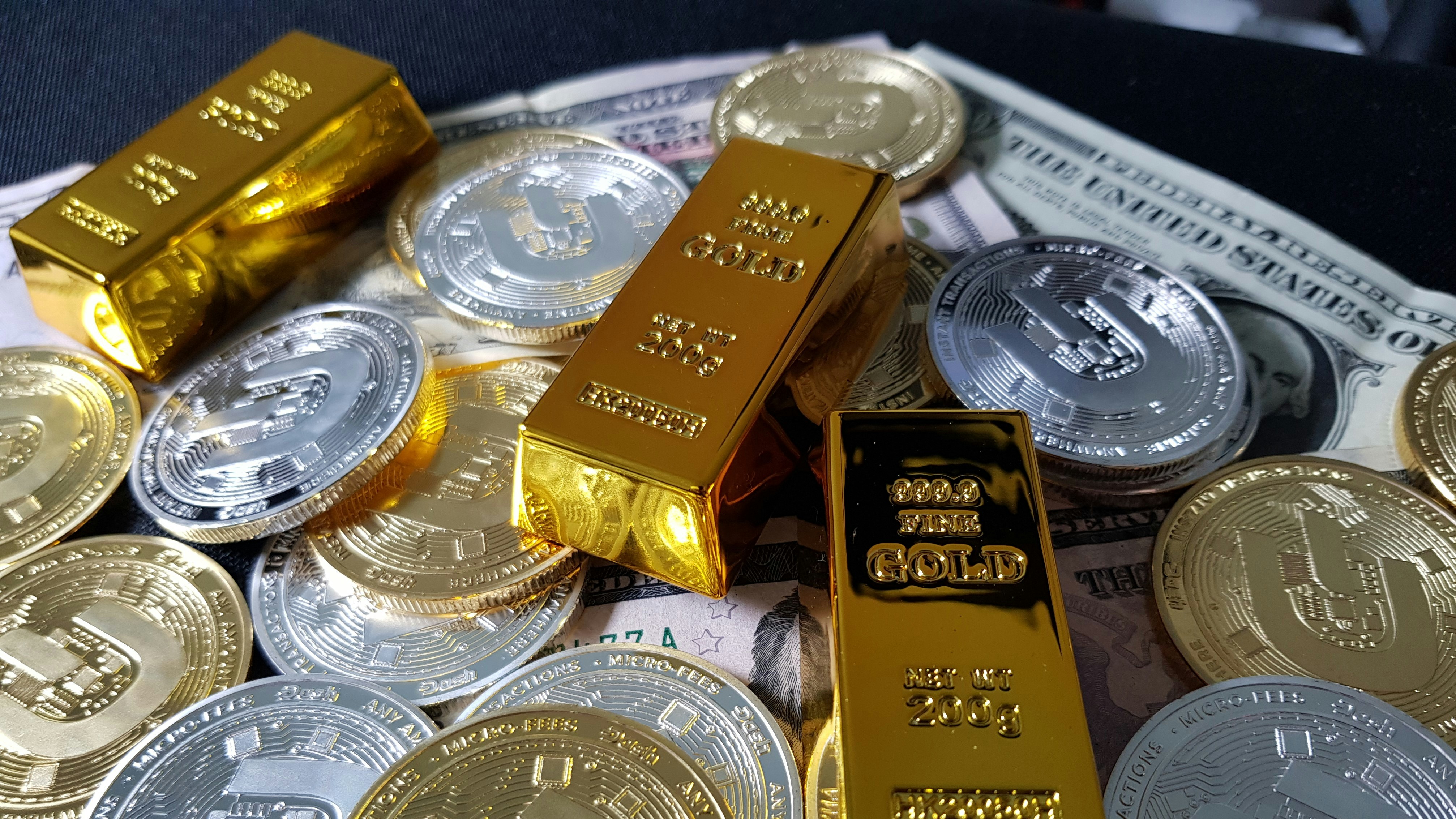
A Precious Metals IRA is a specialized type of individual retirement account that allows investors to hold physical metals, such as gold, silver, platinum, and palladium, as part of their retirement portfolio. Unlike traditional IRAs, which typically hold stocks, bonds, and mutual funds, a Precious Metals IRA provides a tangible asset that can serve as a hedge against inflation and economic downturns.
The allure of precious metals lies in their intrinsic value and historical significance as a store of wealth. During times of economic instability, precious metals often retain their value better than paper assets, making them an attractive option for investors seeking to protect their retirement savings.
The Rollover Process
A rollover involves transferring funds from one retirement account to another, allowing investors to move their assets without incurring tax penalties. When it comes to Precious Metals IRAs, the rollover process typically follows these steps:
- Choose a Custodian: The first step is to select a reputable custodian who specializes in Precious Metals IRAs. This custodian will be responsible for holding and managing the physical metals on behalf of the investor.
- Open a Precious Metals IRA: Once a custodian is chosen, the investor must open a new Precious Metals IRA account. This process may involve completing paperwork and providing personal identification.
- Initiate the Rollover: After establishing the account, the investor can initiate the rollover from their existing retirement account, such as a traditional IRA or 401(k). This can typically be done through a direct rollover, where the funds are transferred directly from one account to another without the investor taking possession of the funds.
- Select Precious Metals: With the rollover funds in the new Precious Metals IRA, the investor can now choose which metals to purchase. The IRS has specific guidelines regarding the types of metals that qualify for inclusion in a Precious Metals IRA, including certain gold, silver, platinum, and palladium coins and bars.
- Purchase and Storage: Once the metals are selected, the custodian will facilitate the purchase and arrange for secure storage. It is important to note that the IRS requires that the metals be stored in an approved depository, ensuring their safety and compliance with regulations.
Benefits of Precious Metals IRA Rollovers
Investing in a Precious Metals IRA offers several advantages for retirement planning:
- Diversification: Precious metals can provide a layer of diversification to an investment portfolio, reducing overall risk. By adding physical assets, investors can protect themselves against market volatility and economic downturns.
- Inflation Hedge: Precious metals, particularly gold, have historically been viewed as a hedge against inflation. As the value of currency declines, the value of precious metals often increases, helping to preserve purchasing power.
- Tangible Asset: Unlike stocks and bonds, precious metals are physical assets that investors can hold in their hands. This tangibility can provide a sense of security, especially during times of financial uncertainty.
- Tax Advantages: A Precious Metals IRA rollover allows investors to transfer funds without incurring immediate tax liabilities. This tax-deferred growth can be beneficial for long-term retirement planning.
- Estate Planning: Precious metals can also play a role in estate planning. Investors can pass on their physical assets to heirs, providing them with a tangible inheritance that may retain value over time.
Considerations and Challenges
While the benefits of a Precious Metals IRA rollover are compelling, investors should also be aware of potential challenges and considerations:
- Regulatory Compliance: The IRS has specific regulations regarding the types of metals that can be held in a Precious Metals IRA. Investors must ensure that they comply with these regulations to avoid penalties.
- Storage Costs: Storing physical metals comes with associated costs, including storage fees charged by the custodian or depository. Investors should factor these costs into their overall investment strategy.
- Market Volatility: While precious metals can provide a hedge against inflation, they are not immune to market fluctuations. Investors should be prepared for price volatility and ensure that their investment aligns with their risk tolerance.
- Limited Growth Potential: Unlike stocks, which have the potential for significant growth, precious metals may not appreciate at the same rate. Investors should consider their long-term financial goals when allocating funds to a Precious Metals IRA.
- Liquidity Issues: Selling physical metals may not be as straightforward as liquidating stocks or bonds. Investors should be aware of the liquidity of their precious metals and have a plan in place for potential future sales.
Conclusion
Precious Metals IRA rollovers can be a valuable tool for investors seeking to diversify their retirement portfolios and protect their wealth from economic uncertainties. By understanding the rollover process, benefits, and potential challenges, investors can make informed decisions about incorporating precious metals into their retirement strategy. As with any investment, it is essential to conduct thorough research, bestgoldbackedira consult with financial advisors, and remain aware of the evolving economic landscape to maximize the potential of a Precious Metals IRA.
Ultimately, the decision to pursue a Precious Metals IRA rollover should align with an individual's financial goals, risk tolerance, and long-term retirement plans. With careful planning and consideration, investors can harness the benefits of precious metals to enhance their financial security for the future.